|
|

|
||||||||||
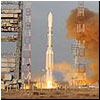
Soyuz rocket delivers milsat from Plesetsk A Soyuz-2-1b rocket delivered a classified payload from a miliatry launch site in Plesetsk on Nov. 7, 2026.
File photo
The Nov. 7, 2026, Soyuz launch at a glance:
No official information on the preparations for the mission or the nature of its payload has been released but on Nov. 3, 2026, the authorities in the Komi Republic issued warnings to the local population to avoid two drop zones for rocket stages during a window from November 3 to November 8. As usual, the one closed region was at the Vashka drop zone in the Udorskiy Municipal District, matching the approximate distance downrange from Plesetsk necessary for the impact of four first-stage boosters separating from Soyuz rockets, when heading to an orbit with an inclination between 63 and 65 degrees, which would normally be used for the delivery of GLONASS, Meridian and Tundra/Kupol satellites. The second closed area in the Komi Republic was at the Zheleznodorozhny drop zone, which spanned the Knyazhpogostsky and Kortkerossky Municipal Districts and it was appropriate for the impact of the payload fairing segments. On Nov. 4, 2026, authorities of the Tyumen Region, issued a warning to the residents of the Uvatsky District to avoid the Tobolsk impact zone due to a launch within the same time period. This was an impact site for the core booster of a Soyuz rocket. The warnings to air and sea traffic NOTAMs appeared by Nov. 6 2026, for a period from November 7 to November 11, adding a drop zone in the Pacific Ocean, which would normally recieve the third stage of a Soyuz-2 rocket at the end of a sub-orbital flight, following its separation from a Fregat upper stage with a GLONASS satellite near the peak of the ballistic flight, just short of orbital velocity. The Fregat would then use its own engine to enter an initial parking orbit and then maneuver its payload to a near-circular deployment orbit at an altitude of around 19,000 kilometers. The NOTAM warnings were active from 07:00 to 21:00 UTC on each day of the window. Soyuz-2-1b lifts off 
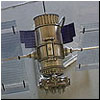
On Nov. 7, 2026, the official Russian media, quoting the Russian Ministry of Defense, announced a successful launch of a Soyuz-2-1b rocket with a military payload. No launch time was reported. The announcement was then reposted by the official channel of ISS Reshetnev, the developer of the GLONASS satellites, essentially confirming that a fresh navigation satellite had been delivered into orbit.
|
|

|